
Celebrating 100 Years of Black History: Honoring Legacy, Leadership, and the Systemic Work Ahead in Marriage and Family Therapy
As we mark 100 years of Black History observance, we celebrate not only the legacy of resilience and brilliance within the Black community, but also the powerful contributions of Black leaders within the field of Marriage and Family Therapy (MFT). This centennial moment offers a unique opportunity to honor the past, reflect on the present, and recommit ourselves to shaping a more equitable and thriving future.
As the professional home for Marriage and Family Therapists worldwide, AAMFT remains committed to:
- Expanding cultural humility in MFT education and practice
- Supporting training and leadership opportunities for Black therapists, faculty, and students
- Uplifting systemic research that examines equity, resilience, and relational health
- Addressing structural barriers that impact access to quality mental health care
- Fostering partnerships with HBCUs and culturally grounded training programs
The next 100 years will be shaped by the steps we take now—how we teach, lead, supervise, advocate, and serve.
This year, we uplift insights from three extraordinary leaders: Dr. Darren Moore, former AAMFT Board Director, Dr. Christine Beliard, and Dr. Monique Willis, members of the AAMFT MFT @ HBCUs CEO Workgroup. Their voices ground us in truth, vision, and purpose as we celebrate this historic milestone. In this blog, we’ll explore where we have been and the direction we must continue to move as a profession dedicated to systems change.
The Origins of Black History Month: How It Began and Why It Still Matters
Black History Month began in 1926 when historian Dr. Carter G. Woodson, often called the Father of Black History, established “Negro History Week”. His goal was simple but revolutionary to ensure that the achievements and lived experiences of Black people would be recognized, valued, and taught. His vision grew into a movement that, in 1976, became nationally recognized as Black History Month.
He chose February to honor the birthdays of Frederick Douglass and Abraham Lincoln, two pivotal figures in the fight for freedom. By 1976, it became recognized nationally as a period for education, remembrance, and empowerment.
100 years later, we are not just commemorating history—we are expanding it.
This centennial signifies a century of honoring Black voices while acknowledging the continued journey toward justice, visibility, and healing.
Mental Health Must Be Central
The Black experience in America includes narratives on generational trauma, systemic inequities, racialized stress, protective factors and resiliency.
Mental health must therefore be part of the 100-year story—not as an afterthought, but as a foundation.
As Dr. Darren Moore reminds us: “Mental health is not a luxury. It is liberation work.”
“Mental health in the Black community is intertwined with history. For generations, survival required strength and endurance in the face of systemic oppression. That resilience preserved families, but it often required suppressing grief, vulnerability, and trauma. Prioritizing mental health today is generational repair. It strengthens Black marriages. It stabilizes Black fatherhood. It supports Black children. It sustains Black leadership… It is liberation work. It is about breaking cycles without breaking connections.” – Darren Moore, PhD
For Black communities, prioritizing mental health today means restoring emotional access denied for generations, strengthening families, healing historic wounds, challenging stigma, and creating new intergenerational legacies of wellness.
Marriage & Family Therapists in the Journey Forward
MFTs are uniquely positioned to support Black individuals, couples, and families.
The systemic lens allows therapists to consider historical context, cultural identity, relational patterns, societal pressures, multigenerational trauma, resilience and community strengths.
MFTs contribute to the 100-year journey by creating spaces where Black families can heal, redefine strength, and experience care rooted in cultural humility.
As Dr. Beliard emphasizes: “Therapy becomes a space where deeper and more meaningful healing can occur when therapists are culturally attuned.”
“Culture is not an accessory to therapy with Black families—it is the context that gives meaning to everything we see in the therapy room. Without cultural understanding, behaviors that are actually adaptive responses to historical and relational trauma can be misunderstood, mislabeled, or even pathologized. For example, emotional guardedness may be interpreted as resistance, when it may actually reflect generations of learning that vulnerability was not safe.
AAMFT [provides] and has a responsibility to ensure therapists are not only clinically competent, but culturally and historically informed. This includes understanding the impact of systemic racism, family role expectations, spirituality, community interconnectedness, and the strength-based frameworks that exist within Black families.
Learning opportunities create therapists who can see beyond symptoms and understand stories. When therapists are culturally attuned, they reduce harm, build trust more quickly… This is not just about diversity. It is about ethical, effective care.” – Christine Beliard, PhD
This centennial moment calls MFTs to deepen cultural humility, expand culturally grounded training, actively confront systemic inequities, and uplift Black leadership in clinical and academic spaces.
Insights from our Leaders: A Conversation Grounded in Truth and Transformation
Debbie: What does healing look like in our generation?
Dr. Moore: “Healing looks like liberation… Healing requires psychological and physical safety… Healing is freedom—freedom to feel, to speak, to rest, to thrive.”
“It is the courage to call a thing a thing. To name injustice. To speak truth to power. To acknowledge both our collective trauma and our individual wounds without minimizing either. Healing requires psychological safety and physical safety. It is about being heard, being understood, being listened to, and being treated with dignity. It is about demanding equitable treatment, not as a favor, but as a right.
For many in the Black community, healing looks like being unapologetically Black. It is the freedom to live and exist fully as we are, without being victimized, ridiculed, discriminated against, oppressed, or marginalized. In addition, healing also looks like rest. For generations, survival required overworking, overperforming, and proving our worth in environments that questioned our legitimacy. Healing in this generation includes resting in our power. It includes setting boundaries. It includes protecting our peace. It includes allowing ourselves time to breathe, to process, to experience, and to cope without shame. Healing is not endurance without expression. It is not resilience at the expense of our nervous systems. It is not strength that demands silence. Healing is freedom. Freedom to feel, to speak, to belong, to rest, and to thrive. Healing extends beyond individuals. It includes creating environments where Black students feel safe in their training programs, where Black faculty and administrators are supported in leadership spaces, and where Black therapists and supervisors are respected for their unique contributions. It also requires that institutions are accountable for equity in practice, not just rhetoric. Healing is relational. Healing is structural. Healing is liberation.” – Darren Moore
Dr. Beliard: “Healing now looks like choosing to do the work that others did not have the safety or support to do… We are the bridge between survival and emotional freedom.”
“Healing in our generation looks like interruption. It looks like us having the courage to pause patterns that were never named, but deeply felt. Many of us are the first in our families to say out loud, “That hurt me,” and to believe that statement deserves care, attention, and repair. We are also the first generation of many before us who have the privilege and opportunity to truly make space for healing through therapy. Previous generations carried immense burdens—racism, economic instability, family separation, and survival demands—often without access to mental health resources or the cultural permission to prioritize their emotional well-being. Therapy was stigmatized, inaccessible, or simply not an option. Strength was defined as endurance.
Our generation is living at a different intersection. Therapy is more visible. Resources are more available. Conversations about mental health are more normalized. And with that comes both privilege and responsibility.
Healing now looks like choosing to do the work that others did not have the safety or support to do. It is grieving what was never spoken. It is learning how to stay emotionally present with ourselves and with the people we love. It is redefining strength to include vulnerability, emotional attunement, and repair.” – Christine Beliard, PhD
Dr. Willis: “Healing requires us to slow down, acknowledge old wounds, and nurture ourselves unapologetically. Healing looks like rest, introspection, and connecting with our joys.”
“Healing in this time for our generation requires us to slow down and take stock of the pain, emotional wounds, and injuries we carry, leaving ourselves space for the deep introspection needed to begin our healing process. Our healing requires acknowledging the things we’ve potentially pushed down in the vein of “keep going.” The pathway to healing looks like acknowledging unresolved past hurts we’ve encountered in the systems we navigate and even from ourselves. In our healing, we must nurture and care for ourselves unapologetically and consistently, and acknowledge that despite the pains of the past, we endure to live wholly and fully. Our healing looks like being quiet, listening, and honing in on love for ourselves and our communities, where we support ourselves and others with opportunities to rejuvenate, where we may visit peace when possible, daily, allowing time for rest, and giving ourselves opportunities to connect with our joys. These things make us feel alive, connected, and grounded in the spaces we occupy.” – Monique Willis, PhD
Debbie: How can the MFT community lead with ongoing learning opportunities about culture and diversity for therapists serving Black families?
Dr. Moore:
“If we are serious about serving Black families with excellence, then cultural responsiveness is essential… Context matters. Representation matters… Serving on the Board of Directors was both an honor and a challenge… Representation matters, but representation without voice is not enough. Board service meant engaging in real conversations and not being afraid to ask difficult questions… Progress does not happen accidentally. It requires intentional voices in the room willing to engage, question, and move the profession forward.”
Dr. Beliard: “Cultural understanding is not an accessory—it is the context that gives meaning to everything in the therapy room.”
“Excellence begins with humility. Therapists must be willing to continuously examine their own biases, assumptions, and blind spots. Ethical responsibility means recognizing that we do not enter the therapy room as neutral observers—we enter as people shaped by our own experiences and cultural positioning.
Therapists must commit to ongoing education about the lived experiences of Black individuals and families, not only through research, but through listening. Listening without defensiveness. Listening without the need to immediately interpret.
It also requires therapists to hold both pain and strength. Black families should not be viewed only through a deficit lens. There is resilience, deep connection, spirituality, and legacy that must also be honored.” – Christine Beliard, PhD
Dr. Willis: “What makes AAMFT special is our emphasis on ethical practice… we must seek the training needed to best serve Black families.”
“Therapy for all people requires a deep understanding of the experiences and patterns that create challenges for the people we serve. In particular, when we talk about Black families and communities, we must recognize the deep, entrenched ways of doing things in our country that have caused ongoing strife in these communities. Addressing how these systemic processes have become ingrained and, in some ways, ignored is critical when we are trying to support Black families in making change, and live a life that is truly beneficial for them and those around them. When working with Black community, just as with any other, we must understand the experiences unique to them, and that the knowledge we have as clinicians must have the education, the understanding, and, more importantly, the compassion to see how forces outside of one’s self can affect them and their ability to form and maintain relationships in ways that are important to their daily lives… As a result, we must have the training and, if not, seek the training needed to serve Black families best.” – Monique Willis, PhD
Debbie: Considering the dominate and marginalized narratives regarding history in America, why is mental health so essential in the Black community?
Dr. Beliard: “Mental health care allows Black individuals and families to move from survival into emotional freedom.”
“Mental health in the Black community cannot be separated from its history. For generations, Black individuals and families endured trauma while having limited access to spaces where their emotional experiences could be acknowledged or held with care.
Strength became a necessity for survival. But survival strength often required emotional suppression. Many families learned to keep going without having the opportunity to process grief, fear, or relational injuries.
This history still lives in our nervous systems and in our family dynamics. Prioritizing mental health now is an act of restoration. Mental health care is not just about reducing distress. It is about reclaiming emotional access, relational safety, and the fullness of being human.” – Christine Beliard, PhD
Dr. Willis: “We have made progress in reducing stigma. Mental health is now recognized as essential for well-being.”
“Mental health within the Black community is vital for overall well-being, functioning, and resilience. Often, it is overshadowed by community challenges because there is a belief that discussing issues might make one vulnerable or at risk. Historically, we have struggled with the perception that we don’t talk about our difficulties. However, I believe we’ve made significant progress in changing that mindset. Today, many individuals, including those in the entertainment industry, openly acknowledge that mental health issues are common and that seeking support is essential for maintaining mental and emotional health.” – Monique Willis, PhD
Debbie: How can therapists lead with excellence while being ethically responsible in serving the Black community?
Dr. Moore: “Excellence begins with humility… Ethical responsibility includes advocacy and accountability.”
“…Therapists must commit to ongoing self-reflection about bias, power, and privilege. We must understand historical context and how systemic forces shape present-day relational dynamics. We must listen carefully to lived experience rather than assuming universality. However, ethical excellence does not stop at clinical skill. It includes how we mentor Black students, support Black faculty, and how we cultivate psychologically safe spaces. It also includes how we advocate when policies or systems harm the communities we serve.
Therapy is not practiced in a vacuum. Our clients carry history into the room, racial history, family history, and institutional history. Ethical responsibility requires that we honor that history without reducing clients to it. Excellence is sustained, accountable leadership, in the therapy room, in our classrooms, and in our boardrooms.” – Darren Moore, PhD
Dr. Willis: “Leading with excellence begins with caring for ourselves. We must do our own work before supporting others.”
“Leading with excellence as clinicians begins with caring for ourselves. Since we serve in caring professions, we might not always be perfect at applying the same standards to ourselves. Living and practicing with clinical excellence involves doing the personal work necessary so that, when supporting Black communities and families, we can provide the most beneficial help. This means we must prioritize our well-being, care for ourselves, and address our personal needs.” – Monique Willis, PhD
Looking Ahead: Honoring the Past, Leading Into the Future
This 100-year anniversary of Black History Month invites us to honor the past while boldly shaping the future. As we celebrate this centennial moment, we honor the immense contributions of Black scholars, families, communities, and MFT leaders who continue to enrich our profession.
In Marriage and Family Therapy, that means continuing to prioritize cultural responsiveness, strengthen systemic training, expand therapy access, transform training systems, and create spaces where Black families feel seen, supported, and safe. We do this by ensuring that every therapist entering the field is equipped to deliver ethical, informed, relationally attuned care.
As we celebrate a century of documented Black history, we also celebrate the countless untold stories carried in families, relationships, and communities. The MFT profession has both the privilege and responsibility to ensure the next 100 years include deeper healing and greater justice for Black families.
Black History is American history. And its future continues to shape the heart of Marriage and Family Therapy.

Dr Debbie Manigat, DMFT, LMFT
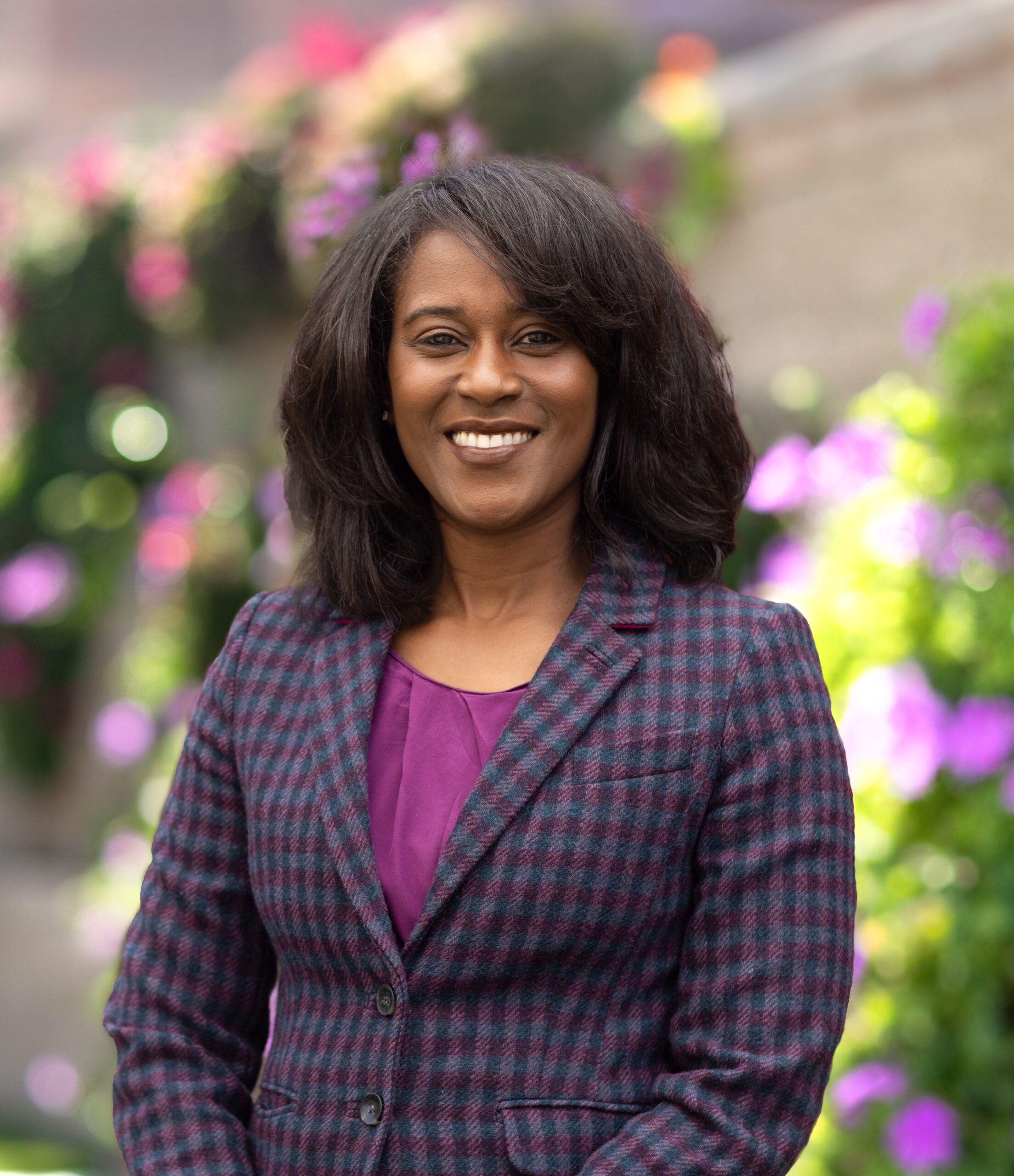
Dr. Christine Beliard
Dr Monique Willis, LMFT
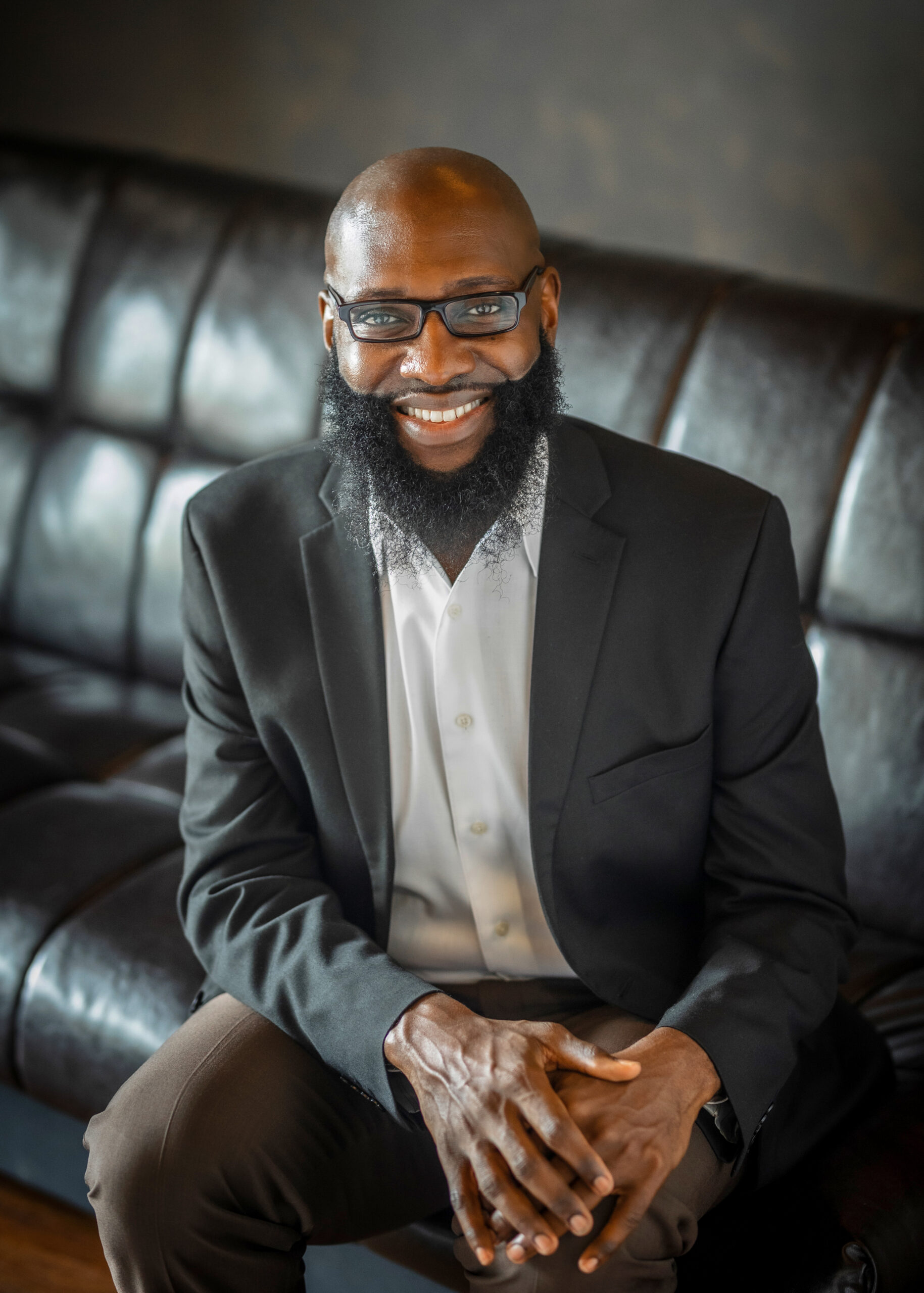
Dr. Darren Moore, former AAMFT Board Director
